


Chimney liner choice basically comes down to three options. There are clay liners, stainless steel liners, and cast-in-place liners. Each has its own pros and cons in the two main factors considered — longevity and cost of installation. In this article, we will break down the different liner types and answer the question — how long does a chimney liner last?
Chimney Liner Lifespan
Clay Liner and Cast-in-place Liner Lifespan
Clay and cast-in-place can both last for a very long time upwards to 50 years. Unfortunately, if you live in Chicago you can expect a much shorter lifespan. Why? Clay and cast-in-place are much more vulnerable to cracking and losing their integrity because of the high variability in Illinois weather. Around winter times when there is a consistency of freeze and thaw of water and ice that really takes a toll on raw material like concrete, clay, and mortar. This is much less an issue on stainless steel as it does not hydrate like these materials.
Looking for a free estimate on your masonry needs in Chicago or surrounding suburbs, call Coast to Coast Masonry today at 847-438-9165!

Stainless Steel Liner Lifespan
A typical 316 stainless steel liner used for fireplaces is about .006” thick. The estimated time to penetrate 1mm in heavier use is between 260-525 years. The math – we convert .006 inches to .1524 mm. We multiply .1524 mm by the low 260 and the high 525. The low is 39 and the high is 80. How long can a stainless-steel chimney liner last? Although not fully tested and proven as fact, the hypothesis stands that a stainless steel liner can last around 50 years. This is most likely lower for utility liners that are in use continuously and most likely higher for fireplaces which are used less often.
Coast to Coast Masonry, Local Chicago Stainless Steel Liner Experts
At Coast to Coast Masonry Group (CTC), we repair, restore, protect, and preserve masonry including brick, stone, or even a chimney crown. Whether it is a necessary chimney rebuild, a broken glass block window repair, or stainless steel liner installation, our expert masons are here to help. We use the latest masonry technology techniques to restore brick and protect your home.
We at CTC Masonry are the complete solution to your masonry needs and making your chimney last longer. We highly value our clients and seek to gain their confidence by offering the highest level of customized chimney services and masonry products at a competitive price.
 Factors Influencing the Lifespan of Chimney Liners
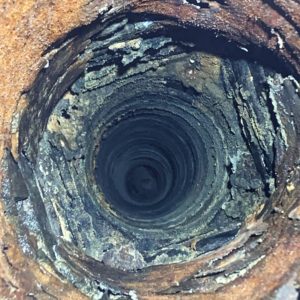
The lifespan of chimney liners depends largely on the material used. Clay tile liners, common in older homes, typically last about 20 to 30 years with proper chimney maintenance. However, they are prone to cracking and deterioration over time. A stainless steel chimney liner, on the other hand, offers greater durability, often lasting more than 50 years if professionally installed and regularly maintained. Stainless steel chimney liners are especially favored for chimney relining because they resist corrosion and handle the high temperatures of both wood-burning and gas fireplace systems.
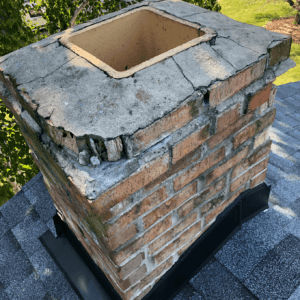
Environmental factors also heavily influence a liner’s lifespan. Harsh weather — particularly heavy rain, snow, and freezing temperatures — can damage a chimney crown and allow moisture to penetrate, accelerating liner deterioration. Frequent use of a fireplace, especially without regular chimney cleaning, leads to heavy creosote buildup. This buildup can ignite easily and cause thermal shock, cracking clay flue liners.
Additionally, a lack of routine chimney inspection can allow minor issues to worsen unnoticed.
Quality chimney service and periodic inspections help catch problems early, greatly extending a liner’s life. Whether you have metal chimney liners or traditional clay, the combined effects of material quality, usage habits, and maintenance efforts ultimately determine how long your chimney liner will safely perform.
 Signs That a Chimney Liner Needs Replacement
A failing chimney liner can pose serious safety risks to your home. Here are key signs to look for:
- Unusual Fireplace Operation: If your fireplace isn’t functioning as efficiently as it once did, with increased smoke or difficulty controlling the fire, it could be due to a damaged or degraded chimney liner. Problems with airflow and ventilation may arise from cracks in the liner, making it harder to control your fire.
- Excessive Creosote Buildup: Over time, creosote can accumulate inside the chimney, leading to blockages. If a chimney inspection reveals excessive buildup that can’t be easily removed with cleaning, this could be a sign that the liner needs replacing or a heavier cleaning.
- Visible Cracks or Leaks: A direct visual inspection of your chimney liner may reveal visible cracks or holes. These issues occur in chimney liners that have aged or become damaged from use.
Regular chimney cleaning and inspections by a certified chimney sweep are essential to detecting these problems early. Using a carbon monoxide detector inside your home can also help identify dangerous leaks caused by a compromised liner before they lead to serious issues.
 Maintenance Tips to Extend the Life of Chimney Liners
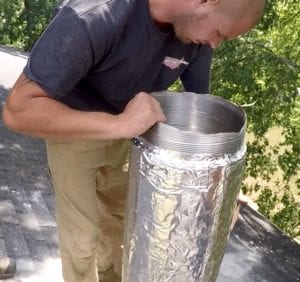
Proper maintenance is essential for homeowners wondering how long do chimney liners last. With consistent care, a chimney liner can last decades longer than expected. Regular chimney cleaning helps prevent creosote buildup, which can corrode the liner and lead to dangerous blockages. Homeowners can perform simple DIY maintenance, such as checking the chimney cap for debris, ensuring the chimney crown is intact, and visually inspecting for signs of damage around the fireplace.
Some tasks can be managed by homeowners, but professional chimney service is often necessary. Experts recommend scheduling a chimney inspection at least once a year, ideally before the heating season begins. A certified chimney sweep will not only clean the chimney but also check for cracks, corrosion, or leaks in both clay and metal chimney liners.
When it comes to cleaning, those using wood-burning fireplaces heavily may need two cleanings per year.
Stainless steel chimney liners are highly resistant to damage, but they still need regular monitoring. Neglecting these steps could lead to premature chimney repair needs or unexpected chimney liner cost expenses. Maintaining your chimney proactively ensures your fireplace remains both safe and efficient year after year.
Chimney and Fireplace Safety Checklist
Regular safety checks are essential for preventing accidents and ensuring that your chimney and fireplace remain in good working condition. Here’s a comprehensive checklist to follow:
- Chimney Inspection: Have a professional chimney sweep conduct a thorough chimney inspection at least once a year. This ensures the chimney liner, crown, and other components are intact and functioning properly. Regular inspections help identify any issues early before they become dangerous.
- Chimney Cleaning: Schedule a chimney cleaning as part of your annual maintenance routine. Creosote buildup inside the chimney liner can cause blockages and increase the risk of a chimney fire. Regular cleaning keeps the airflow efficient and reduces fire hazards.
- Check the Chimney Cap: The chimney cap prevents debris, animals, and water from entering the chimney. Ensure it is properly installed and free of any damage or obstructions.
- Inspect the Fireplace: Examine the fireplace regularly for cracks or deterioration in the firebox or surrounding masonry. This could indicate issues with the liner or other structural elements that may require chimney repair.
- Carbon Monoxide Detectors: Install and maintain carbon monoxide detectors in your home. A malfunctioning chimney liner can lead to dangerous gas leaks, and these detectors can alert you to potential risks.
Maintaining a functional chimney liner and performing regular safety checks are critical for home safety. A well-maintained chimney system protects your family and ensures efficient operation of your fireplace.
Preserving Home Safety and Efficiency Through Proper Chimney Liner Care
A well-maintained chimney liner is critical to the overall safety and efficiency of any fireplace. Whether you have a wood-burning fireplace, a gas fireplace, or a stainless steel chimney, the liner protects your home by containing heat and preventing toxic gases from seeping into living spaces. Regular chimney inspection, timely chimney cleaning, and prompt chimney repair are essential practices.
Homeowners should view chimney service as an investment in safety and longevity. Proper care extends the life of both traditional clay liners and metal chimney liners, keeping chimney liner cost manageable over time. From ensuring your chimney crown remains intact to considering chimney relining when needed, proactive maintenance is key. Regular attention will allow your chimney system to operate safely and efficiently for many years.
Useful Links
For more information on our services – click here
For more information about us – click here